Loading page…
Private online guidance for important decisions · London & UK-wide

Istikhara for Love Marriage
Istikhara for Love Marriage
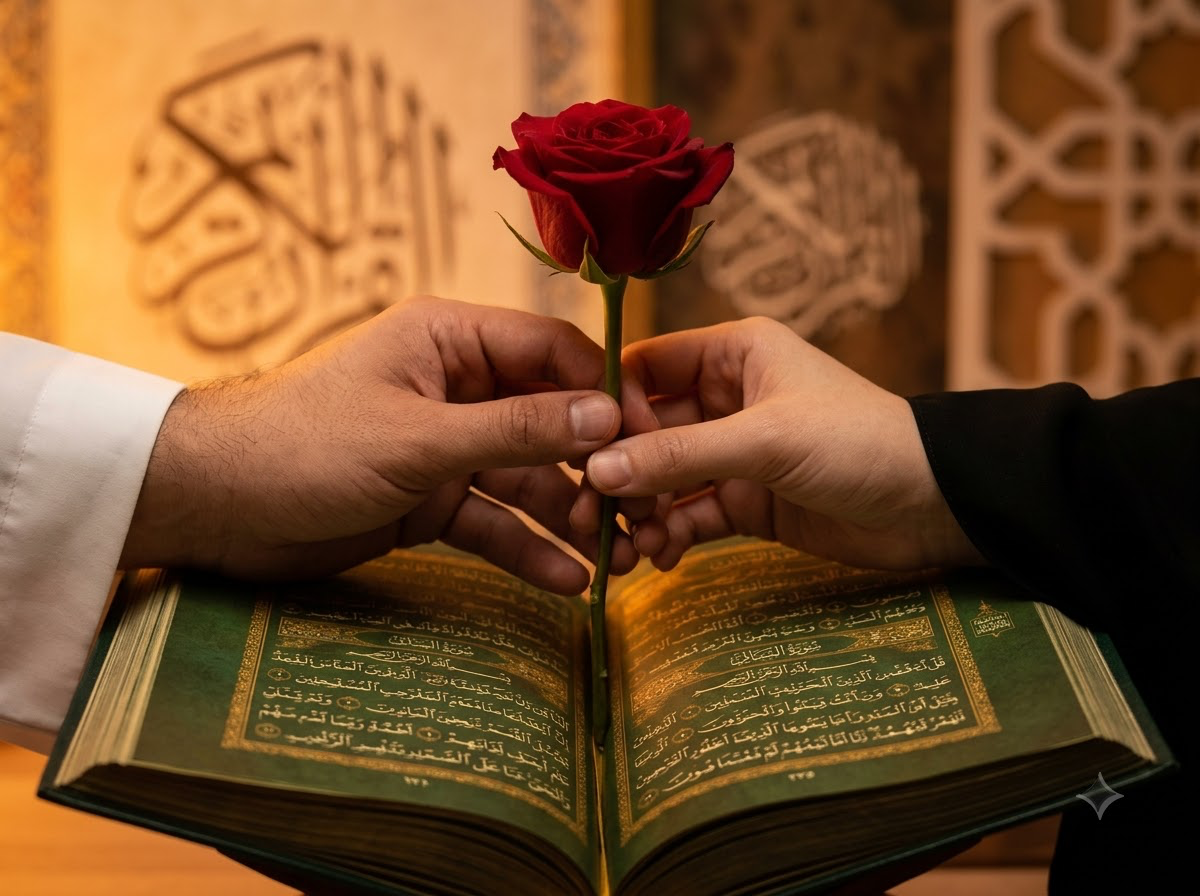
Couples who have chosen each other independently, rather than through a family-arranged introduction, often want to approach the decision with the same care and prayer as any other marriage. This page looks at how Istikhara fits alongside family conversations, personal choice, and a realistic view of what prayer can offer.
Islamic Istikhara UK
Prayer alongside honest, patient conversation
Trusted online guidance, UK-wide
Rooted in Islamic sources, delivered with respect and care.
Fully confidential Islamic sources UK-wide, online
Answer first
What is love marriage Istikhara?
Love marriage Istikhara is the same Istikhara prayer, requested by someone who has chosen a partner independently and now wants guidance on whether and how to proceed.
Islamically, the validity of Istikhara does not depend on how a couple met. What matters more is whether the relationship itself is being conducted appropriately, and whether the decision to marry is a genuinely considered one rather than a purely emotional reaction.
This page is written for people who want to be thoughtful about that distinction, without judgement of their circumstances.
Timing
When couples may seek guidance
Early in the relationship
Some people seek guidance while still deciding whether a relationship should move towards marriage at all.
Before approaching family
Others pray for guidance before raising the relationship with their family, wanting a settled sense of direction first.
When a proposal is ready
Many seek Istikhara once both people are ready to formalise the relationship and a decision needs to be made.
A sensitive area
Family approval and marriage considerations
Family approval is often the most difficult part of a love marriage decision, and Istikhara cannot substitute for the conversations that navigating it requires. It is generally more productive to understand a family’s specific concerns — whether about background, timing, practicality, or something else — than to treat disagreement as something prayer alone will resolve.
Where a family relationship allows it, involving a respected relative, elder, or local imam as a calm, neutral voice can help both sides feel heard. This is a practical step alongside prayer, not a replacement for it.
Your responsibility
Istikhara and personal choice
Choosing a spouse is ultimately a personal decision that belongs to the two people marrying. Istikhara supports that decision with prayer and reflection; it does not remove your responsibility to ask honest questions about character, values, and compatibility, or to notice warning signs if they appear.
Being clear
What to expect
Istikhara offers a way to ask sincerely for what is good in this relationship, while you continue to think, talk, and decide with care. It works alongside your own judgement rather than replacing it — the clarity it brings tends to grow through honest conversation and time, not a single confirming moment.
Getting started
Online request process
Requesting guidance follows the same private process as any other Istikhara request: describe your situation honestly through the online form, including anything specific you are unsure about, such as timing, family approach, or your own doubts. You will receive a considered response rather than an instant verdict.
Frequently asked questions
Love marriage Istikhara FAQs
Is it appropriate to seek Istikhara for a love marriage?
Yes. Istikhara can be sought for any permissible marriage decision, whether the relationship began through family introduction or through two people getting to know each other independently. The prayer itself does not distinguish between the two.
Can Istikhara tell me if my family will approve?
No. Istikhara is not a way to predict how another person, including a parent, will react. Family approval is usually best pursued through honest, patient conversation, and sometimes with the help of a trusted relative or elder who can mediate.
Can I use Istikhara to justify a decision my family disagrees with?
Istikhara should not be used as a way to pressure others or to end a difficult conversation early. If your family has concerns, it is worth understanding them properly rather than treating prayer as a way to overrule the discussion.
What if the guidance does not feel clear either way?
This is common in relationship decisions, which are rarely simple. A lack of dramatic clarity is not a negative sign; it often means the decision genuinely needs more time, more conversation, or more information before it can be made well.
Does Istikhara mean the relationship is destined to succeed?
No. Istikhara asks for what is good for you; it does not guarantee a relationship will succeed, and it does not remove the ongoing effort, honesty, and compatibility that any marriage needs afterwards.