Loading page…
Private online guidance for important decisions · London & UK-wide

Istikhara Signs
Understanding Istikhara Signs
People often ask what to expect after performing Istikhara, and whether there is a particular dream, feeling, or event that confirms the right decision. This page looks at that question carefully, without claiming that any single sign is a guaranteed or universal indicator.
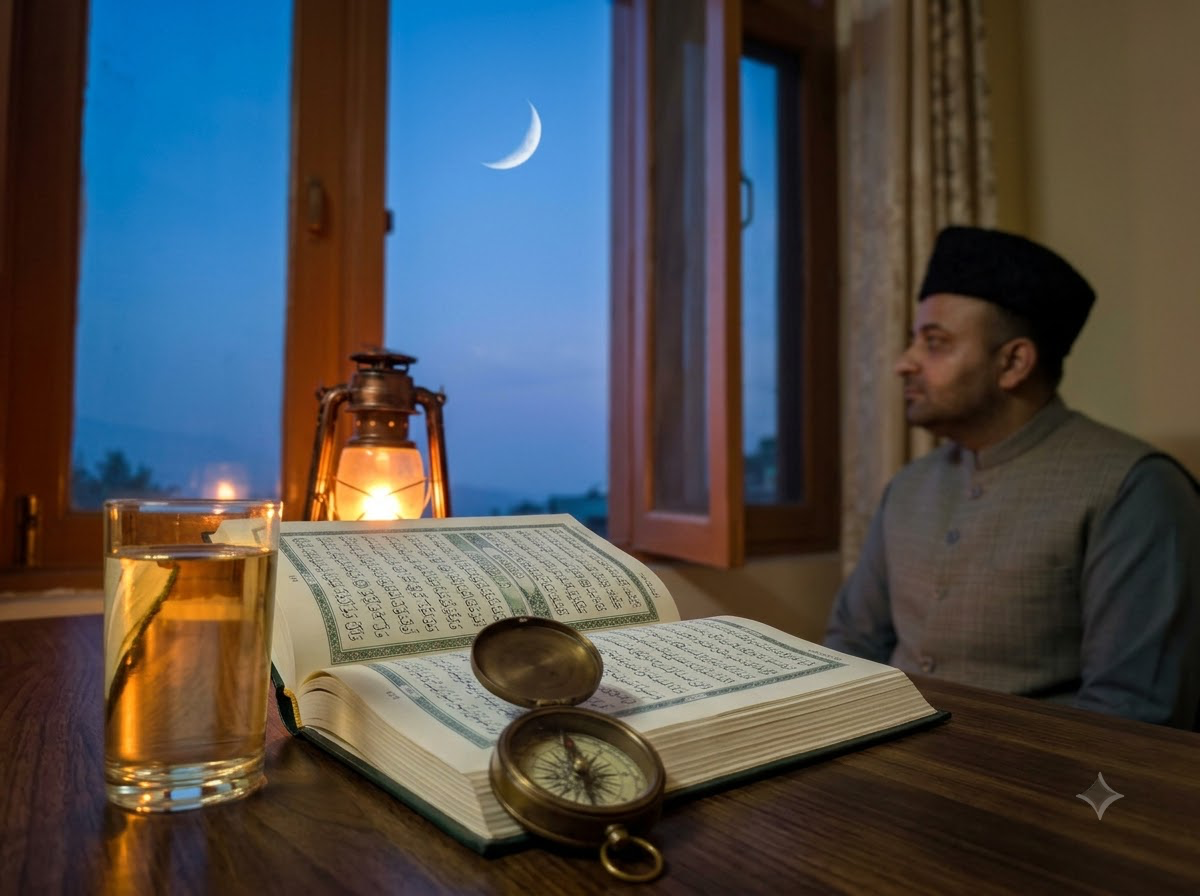
Islamic Istikhara UK
A careful, non-superstitious view
Trusted online guidance, UK-wide
Rooted in Islamic sources, delivered with respect and care.
Fully confidential Islamic sources UK-wide, online
Answer first
Is there a definite sign after Istikhara?
No single dream, feeling, colour, or event is a guaranteed or universally agreed sign after Istikhara; guidance is generally understood to unfold through a combination of prayer, reflection, and how circumstances develop over time.
This can be an uncomfortable answer for people hoping for something concrete, but it is the more honest one. Presenting Istikhara as a system that reliably produces a specific, decodable sign moves it closer to fortune-telling than to prayer.
What people often ask about
Common things people look for
Dreams
Some report a dream around the time of praying, but most people do not, and a dream is not required.
Feelings
A sense of ease, calm, or discomfort is sometimes noticed, though feelings are shaped by many factors beyond the decision itself.
Ease or difficulty
Whether a path opens smoothly or meets obstacles is sometimes considered, though difficulty alone does not settle the matter.
Circumstances
How events unfold afterwards is often the clearest, if slowest, form of guidance many people describe.
On dreams
Dreams and Istikhara
Dreams are the aspect of Istikhara that attracts the most questions, partly because some early accounts describe companions experiencing dreams around the time of praying. However, a dream is not described as a required part of the process in the hadith that teaches Istikhara, and building an entire decision around a single dream — especially a troubling one — is not a responsible approach. If a dream leaves you unsettled, it is worth discussing it with someone knowledgeable rather than interpreting it alone.
On feelings
Feelings after prayer
A feeling of peace or unease can be a genuinely useful data point, but it is not infallible. People can feel calm about decisions that later prove difficult, and anxious about decisions that turn out well, simply because feelings are affected by personality, stress, and unrelated circumstances. Treat a feeling as one input among several, not a verdict.
On outcomes
Ease, difficulty, and circumstances
Many scholars describe Istikhara’s effect as something that tends to become visible gradually, through how a path either opens up or becomes persistently difficult over time, rather than through an instant signal. Even this should be read with care: normal life includes setbacks in good decisions and easy starts to poor ones, so patience and honest reflection matter more than reading too much into any single obstacle or stroke of luck.
In your decision
Signs and decision-making
The most reliable approach is to treat whatever you notice after Istikhara as one part of a wider decision process that still includes facts, consultation, and your own judgement. If nothing distinct happens at all, that is not a failure; it simply means you should proceed with whichever option remains most reasonable based on everything else you know.
Getting it right
Common misconceptions
A gentle note
Istikhara is not a system for decoding dreams, colours, numbers, or coincidences into a certain answer, and no responsible source should claim otherwise. Turning ordinary daily events into omens, whether reassuring or frightening, goes beyond what Istikhara teaches and can create unnecessary anxiety. If you find yourself searching obsessively for signs, it may help to pause, take practical steps forward, and revisit the decision calmly rather than continuing to look for confirmation everywhere.
Frequently asked questions
Istikhara signs FAQs
Do I need to see a dream for Istikhara to have worked?
No. A dream is not a required or guaranteed outcome of Istikhara. Most people who perform the prayer do not have a related dream at all, and this does not mean the prayer was ineffective or performed incorrectly.
Does a bad dream mean I should not proceed?
Not necessarily. Dreams can be influenced by many ordinary things, including stress, things you have recently seen or discussed, and unrelated anxieties. A single dream is generally not treated as a reliable, standalone verdict on a decision.
Is feeling calm after Istikhara a sign the decision is right?
A sense of calm can be reassuring, but it is not proof on its own. Feelings are also shaped by relief at having decided, personality, and circumstance, so it is worth weighing a feeling alongside the practical facts rather than treating it as conclusive.
If a decision becomes difficult afterwards, does that mean it was wrong?
Difficulty after a decision does not automatically mean it was the wrong choice. Most significant decisions, even good ones, involve some hardship, adjustment, or setbacks along the way.
Is it wrong to look for any sign at all after Istikhara?
Paying attention to how a decision unfolds is reasonable and human. The caution is against treating any single dream, feeling, or coincidence as a certain, standalone verdict, rather than one part of a broader picture that includes practical reality.